
What are mental health education workshops?
Mental health education workshops are structured, educational sessions designed to improve understanding of mental health conditions, coping strategies, and psychological wellbeing.
At Arrow Psychiatry, these workshops focus on practical knowledge, clarity, and evidence-based insight, delivered in a way that is accessible to non-clinical audiences. The aim is to support awareness, early recognition, and informed conversations about mental health, without diagnosing or providing treatment during the session.
Education is a powerful tool for prevention, understanding, and stigma reduction.
Who are these workshops for?
Mental health education workshops may be suitable for:
- Organisations and workplaces
- Schools, colleges, and training institutions
- Community groups and professional bodies
- Leadership and management teams
- Caregivers, parents, and educators
Workshops are tailored to the needs, context, and experience level of each audience.
What topics do mental health workshops cover?
Workshop topics are customised, but may include:
Learning about mental health conditions
- Anxiety disorders and depression
- ADHD and autism in adults
- Stress, burnout, and workplace mental health
- Sleep and insomnia
- Trauma-informed awareness
Practical mental health skills
- Recognising early warning signs
- Managing stress and emotional overload
- Supporting someone who is struggling
- Improving sleep and recovery
- Building psychological resilience
Workplace and organisational mental health
- Burnout prevention
- Psychological safety
- Supporting staff wellbeing
- Reducing stigma and improving help-seeking
Content is adapted to ensure relevance and practical value.
How are the workshops delivered?
Workshops may be delivered as:
- In-person sessions
- Virtual or hybrid formats
- Single sessions or short series
Sessions are interactive where appropriate, with opportunities for questions and discussion.
They are educational in nature and do not replace individual assessment or treatment.
What makes these workshops different?
Mental health education workshops at Arrow Psychiatry are led by a medical specialist, bringing together clinical accuracy and real-world relevance.
They emphasise:
- Clear, evidence-based information
- Practical application rather than theory alone
- Respectful, non-stigmatising language
- Appropriate boundaries between education and treatment
The focus is on understanding and empowerment, not oversimplification.
Who leads the workshops?
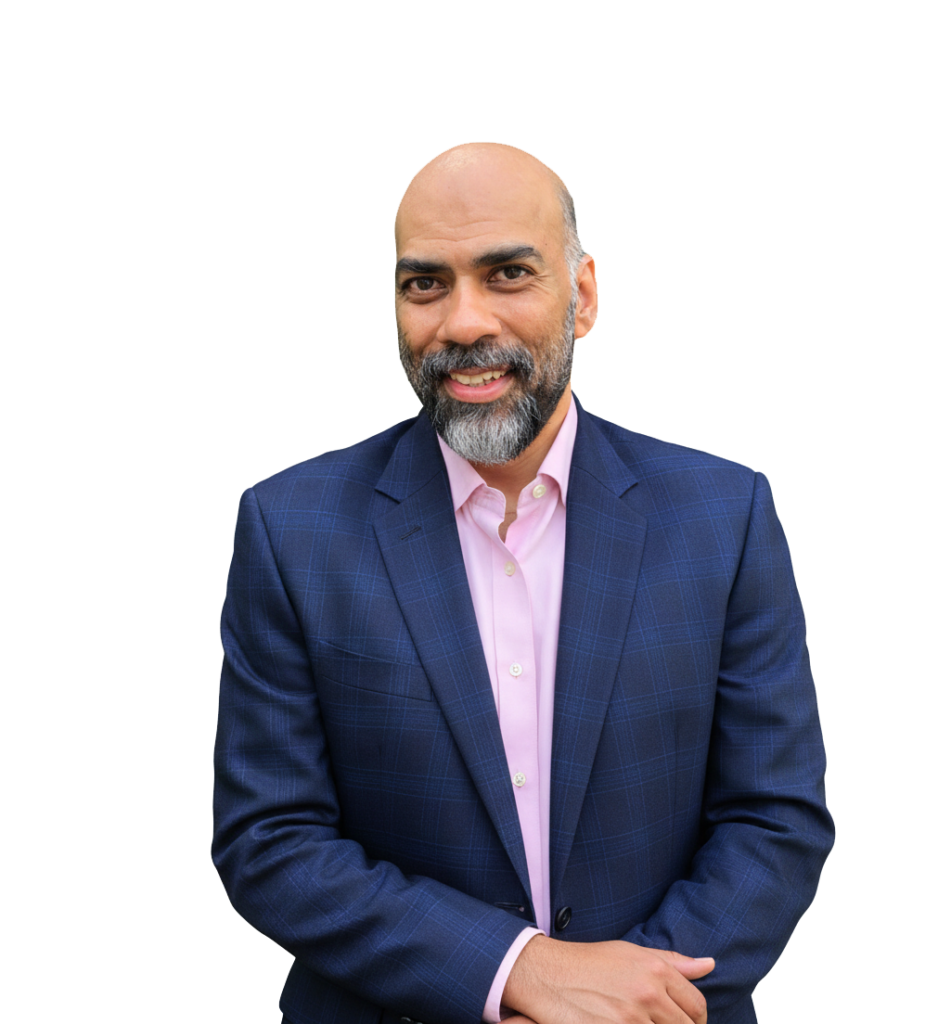
Workshops are led by Dr Ishaan Gosai, a UK-trained Senior Consultant Psychiatrist with a strong interest in teaching and mental health education.
Dr Gosai has extensive experience explaining complex mental health topics in a way that is clear, balanced, and accessible to non-clinical audiences.
What to expect from a workshop
Participants can expect:
- Clear explanations of mental health concepts
- Practical, applicable insights
- Opportunity to ask questions
- Respectful handling of sensitive topics
- Evidence-based content without sensationalism
Workshops are designed to leave participants better informed and more confident in navigating mental health conversations.
Book a mental health education workshop
If your organisation or group is looking to improve mental health understanding through structured education, a tailored workshop may be appropriate.
Mental health education workshops at Arrow Psychiatry, led by Dr Ishaan Gosai, are designed to support awareness, understanding, and psychological wellbeing.
To discuss workshop topics, format, or scheduling, contact Arrow Psychiatry to make an enquiry.
Frequently Asked Questions
1. Are these workshops a form of therapy or counselling?
No. These workshops are educational sessions. They do not involve diagnosis, therapy, or individual treatment.
2. Can workshops be customised for specific audiences?
Yes. Content is tailored based on audience needs, setting, and objectives, such as workplace mental health, education settings, or caregiver support.
3. Will participants be asked to share personal experiences?
No. Participation is voluntary, and workshops are structured to avoid pressure to disclose personal information.
4. Can workshops replace professional mental health care?
No. Workshops are designed to complement, not replace, professional assessment or treatment. Participants are encouraged to seek individual care if needed.